
The Work That Made Nate Roberts
Finding Home Through Learning
Growing up, home was not always one place. My dad managed chemical plants, and his work required our family to move from community to community. Every move meant a new town, a new school, and a new group of people. There were times when I wished we could stay put long enough for one place to truly feel like being part of a community. I could have become bitter about moving a lot, or I could have kept my distance, knowing that another move might be just around the corner. Instead, I chose to learn something from every place and every person I met.
Schools and public libraries became places where I could get my bearings. No matter what town we lived in, there was always something new to learn and another story that could help me understand the world around me.
New Mexico taught me to appreciate a new culture, the wide-open country, and the people tough enough to build a life there. Moving so often taught me how to listen, adapt, and find common ground with people whose cultures and experiences were different from my own. It also gave me a lasting love for small towns and the American West.
That experience still shapes how I think about education and libraries. A good school or a public library is more than a building. It can be an anchor for a young person trying to find their place in the world. Every Idaho child deserves that same freedom to learn, discover, and prepare for a better future.
Building a Family with Kirsten
When my family moved to New Mexico, I was once again the new kid in a new place. But this time, I was not completely alone for long. I was 17 years old when I met the love of my life, Kirsten Lopez.
After spending so much of my childhood moving around, committing myself to another person was not easy. Part of me had learned not to get too comfortable because life could change quickly. I was nervous about putting down roots when I had spent so many years having them pulled up. But I made the choice to trust that some things are worth building, even when the future is uncertain.
Kirsten and I will soon be celebrating 40 years together. Through good times and hard times, we have built a life, raised our children, and stood beside one another. Being a husband and a father has been one of the most fulfilling parts of my life, and becoming a grandfather is the icing on the cake. Our granddaughter is nearly two, and she reminds me every day that the choices we make now will shape the world our grandchildren inherit.
My family taught me that commitment is not simply something you say. It is something you practice. You show up. You do the work. You stay when things get difficult, and you keep building together. That is also how I believe public service should work.
Choosing a Career and Becoming an Electrician
When Kirsten and I were first married, we had two children and were working hard just to make ends meet. I had been working at a formaldehyde plant since graduating from high school. It was steady work, but I knew I wanted more than a job. I wanted a career and trade I could take pride in, one that would allow me to provide for my family and build a more secure future.
After accepting a transfer to Northern Minnesota, trying to improve my working conditions and pay, I faced a difficult choice. I could stay where I was, continue collecting a paycheck, and hope things improved. Or I could take my father-in-law’s advice, quit and move to Los Angeles to begin an electrical apprenticeship.
Leaving a steady job with a wife and two children depending on me was intimidating. There were no guarantees. But Kirsten and I believed that taking that risk could give our family a better future, so I went. I have been an electrician since 1991.
That decision changed my life. My work has taken me across the western United States and even to Australia. I have worked on everything from power transmission to servicing electrical at our neighbor's home.
Electrical work taught me that nothing important gets built by one person alone. Every project requires skilled people working together, trusting one another, and taking responsibility for their part of the job. It also taught me the value of apprenticeship and workforce education.
A four-year college degree can be a great opportunity, but it is not the only path to a successful life. Young Idahoans should also have the freedom to become electricians, plumbers, welders, dental hygienists, and other skilled professionals without being buried in debt. That is why the Idaho LAUNCH program mattered so much to me when I served in the Legislature. I know firsthand what a skilled trade can do for a working family because it did it for mine.
Finding Solidarity in Pocatello
Eventually, Kirsten and I moved to Idaho to be closer to my aging parents and help support them. I first accepted a job in Wood River Valley, and it did not take me long to realize that an overly manicured tourist town was not where I wanted to put down roots. When we moved to Pocatello, I felt at home much more quickly. Pocatello is a working town. It is a place built by railroad workers, tradespeople, teachers, nurses, small-business owners, and families who know the value of an honest day’s work.
But finding a place to live was not enough. I wanted to find people I could work alongside to build a better future. Before becoming an electrician, I had worked in a narrow industry where the boss held nearly all the power. That experience showed me what happens when workers have no meaningful voice. A person should not have to accept unsafe conditions, unfair treatment, or stolen wages simply because one employer controls their livelihood.
I had another choice to make. I could remain unorganized and look after only myself, or I could stand with my fellow tradespeople and help organize. I chose solidarity and became involved with the Pocatello Central Labor Council, and eventually ran for its presidency. Through the labor council, I worked with people from different trades and different walks of life who understood a basic truth: working people accomplish more when we stand together.
One of the biggest problems facing workers is wage theft. Many people hear that term and assume it means somebody physically stealing a paycheck. Wage theft also occurs when an employer refuses to pay overtime, requires someone to work off the clock, misclassifies an employee, or fails to pay a worker everything they have earned.
When a worker takes something from the boss, everyone understands that it is theft. When the boss takes wages from a worker, too many people treat it like the cost of doing business. I do not accept that.
Unions give workers the freedom to join together, negotiate a fair return on their labor, and hold powerful employers accountable. Unions are democracy in the workplace. My years in organized labor taught me that lasting progress does not come from waiting for somebody else to do the right thing. It comes when ordinary people organize and act together.
Taking the Next Step & Running for Office
For years, I had been involved in campaigns and in the labor movement. I saw good people working hard to make Idaho better, but I also saw how few working people had a seat at the table where decisions were being made. Too many legislators had never worried about missing a paycheck, paying for a medical emergency, or choosing between a steady job and an apprenticeship that might provide a better future. Working families were being talked about, but they were not always being listened to.
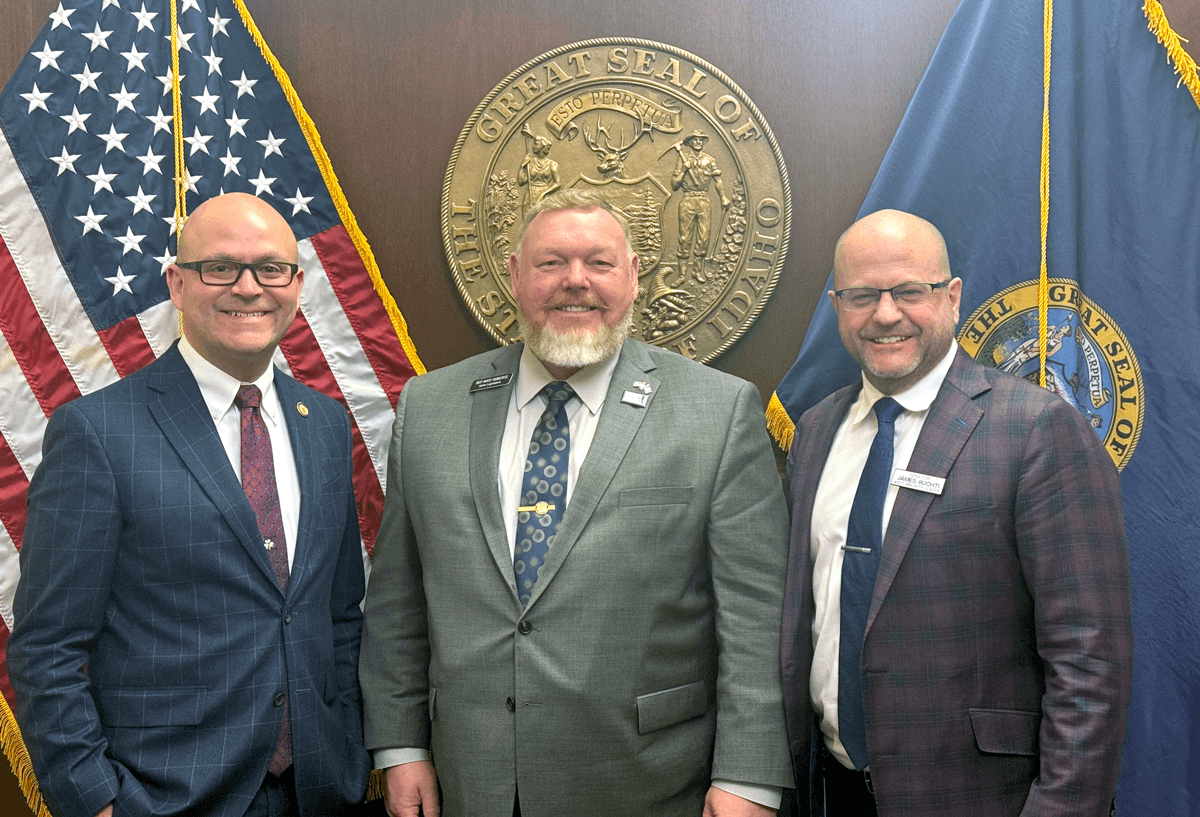
Mentors like Mark Nye, James Ruchti, Richard Stallings, and Steve Landon encouraged me to take a chance and run for the Idaho House. I could have kept doing what I was doing. I could have stayed on the sidelines and hoped somebody else would step forward. Running for office seemed a little crazy. But I thought about the union brothers and sisters who came before me. They fought for the wages, working conditions, and opportunities that helped make my life possible.
I knew it was my turn to step up, not only for myself, but for my children, my grandchildren, working families, and the future of Idaho. It was simply the right thing to do, and I realized I might actually be able to make a difference. In 2022, I won a close election by 112 votes. Those Pocatellans who voted for me gave working people a voice in the Idaho House. During my time in office, my vote helped pass the Idaho LAUNCH workforce-training program. My vote also helped stop attempts to repeal or drastically weaken Medicaid expansion in 2023 and 2024.
Those votes were close and were proof that one representative, every person who casts a ballot, can make a real difference. I did not win my election in 2024. But losing an election did not erase the responsibility I feel toward this community. I stayed involved, continued speaking up, and kept paying attention and holding our legislators accountable.
That is what working people do. We don’t walk away from a difficult job simply because we hit a setback. We learn, regroup, and get back to work. My life has taken me from town to town, from a formaldehyde plant to an electrical apprenticeship, from jobsites across the West to the Pocatello Central Labor Council, and eventually to the floor of the Idaho House. Through every chapter, I have learned the same lesson: progress happens when ordinary people decide to stand together and do what is right.
I am running because Idaho’s working families deserve a representative who has walked in their boots. They deserve someone who has learned the dignity of skilled work, the strength of solidarity, the importance of public education, and the responsibility we have to leave our children and grandchildren a better future.
That is the work that made me, and I am ready to get back to work for you.
Preserving
the Idaho
We Love
True leadership means looking out for our neighbors and protecting the communities we love. I am running to return to the Legislature to ensure our state thrives, our workers are respected, and our corner of Idaho remains a place where regular families can afford to live and succeed.